NOVI, MI – The car is no longer just a machine – it’s a media platform, a mobile living room and potentially the most immersive entertainment space consumers own. But for auto dealers, that transformation raises significant questions: What role do they play in helping customers adopt new in-vehicle tech? How can they demonstrate value to tech-phobic shoppers? And how can OEMs, tech partners and dealers come together to deliver content-rich, personalized and safe experiences behind the wheel?
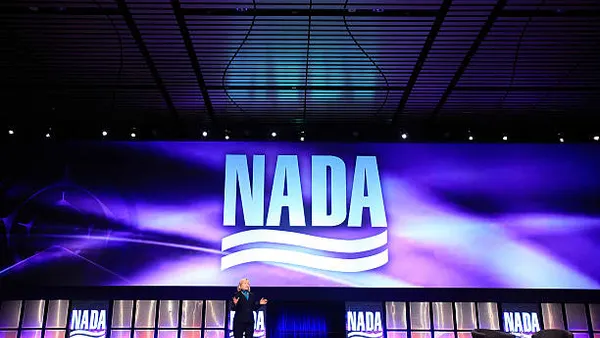
Those questions and more were at the heart of a wide-ranging discussion among manufacturers and other automotive stakeholders during the “Elevating the In-Car Entertainment Experience” panel discussion at AutoTech 2025 here. The bottom line: Dealers are key to helping consumers understand the value of in-cabin entertainment.
From Screens to Experiences
Today’s vehicles come equipped with powerful screens, premium speakers and cloud-connected ecosystems rivaling home entertainment systems. But translating that technology into an intuitive experience is no small task. How to proceed?
“If you had asked me five years ago, I would have said ‘It’s about finding the right source, the right content. Everyone is going to use that content,” says David Kirsch, head of SK Technology Strategy, American Honda Motor Co. “But as we talk to customers, more and more, they’re using different content in different ways…What they are choosing has a long tail and continues to see more and more variations.”
That shift in focus – from horsepower and toward software – opens a new marketing frontier. But it also demands that OEMs, suppliers and dealers rethink how they engage customers and highlight features.
It's Not Just Entertainment, It’s Emotional
Panelists agree that the content customers access in the car – music, podcasts, navigation, even karaoke – can help forge a powerful emotional bond.
“There actually is an outsized emotional connection to those moments,” says Alex Blouin, connected products partnerships lead, Ford Motor Co. “You find that customers are increasingly saying, ‘Wow, I had no idea my car could do that.’”
Dealers can capitalize on those moments by creating simple, delightful showroom experiences. One manufacturer found success by showcasing its karaoke feature during sales interactions – especially with families.
“That emotional connection is one of the biggest things,” Blouin adds. “It’s been a really big selling tool.”
Safety and Simplicity Come First
Despite the promise of entertainment, safety remains paramount. Speakers warn that if infotainment systems are too complex or slow to respond, they risk distracting drivers or alienating users altogether.
“If you press a button and something doesn’t happen, now you’re dedicating more attention to making it work,” Kirsch says. “It needs to work in a timely manner. And customers shouldn’t be confused.”
Personalization is valuable, but not at the cost of usability. “If you make a crazy great experience…but customers don’t know how to use it, what value have you delivered?” Kirsch adds.
Built-In or Brought-In? Both.
Panelists stress the importance of meeting customers where they are – whether that’s on embedded platforms or on smartphone-based systems like Apple CarPlay and Android Auto.
“Honda’s stance is to meet the customer where they want to be met,” Kirsch says. “We offer CarPlay and Android Auto in 100% of the cars sold in North America.”
Ford offers the same philosophy. “We’re a company of choice. Whether it’s on their phone or embedded directly, we want customers to feel like it’s a seamless experience,” says Blouin.
The Role of Connectivity and the Dealer
Connectivity is the backbone of the in-car experience, and that’s where companies like T-Mobile are investing heavily. The future, panelists agree, will include everything from multi-screen streaming and cloud gaming to satellite connectivity in remote areas.
But how do dealers introduce this flood of new tech to hesitant customers?
Panelists suggest starting with hands-on demos and emotionally resonant features. “Our team makes videos and multimedia experiences so dealers can understand the value and teach others,” says Kirsch.
Avoiding Subscription Fatigue
Consumers are growing weary of subscriptions, a reality that’s shaping in-vehicle monetization models.
“If you put a paywall on top of a new feature, there’s a good chance the customer is never going to use it,” panelist Robert Scales, Senior Manager, loT Vertical Sales, T-Mobile for Business, says. “Maybe remove that paywall, let them jump in and experience it.”
OEMs and content partners are now exploring value-based pricing and bundled connectivity packages to keep customers engaged without nickel-and-diming them.
Looking Ahead: Platform Thinking and Over-the-Air Updates
Perhaps the most transformative shift is toward software-defined vehicles. That means OTA (over-the-air) updates, long-term platform strategies and the ability to refresh infotainment systems years after a vehicle leaves the lot.
“You might be servicing and delivering software to cars a decade after release,” says Kirsch. “But that only works if there’s a business model that supports it.”
For dealers, that presents new opportunities in CPO (certified pre-owned) sales, loyalty programs and customer education. A car that gets better with time? That’s a powerful story to tell.
Bottom Line for Dealers
In-vehicle entertainment isn’t just about screens; it’s about connection, differentiation and long-term customer value. Dealers who embrace the shift, educate buyers and create emotional connections during the sale will be better positioned to drive loyalty and profitability.
As one panelist sums it up: “Let’s make those traditional experiences really awesome first. Then let’s see where we can go with always-connected vehicles that move with us,” adds panelist Trent Wheeler, head of innovation for Gracenote, a media and entertainment company.