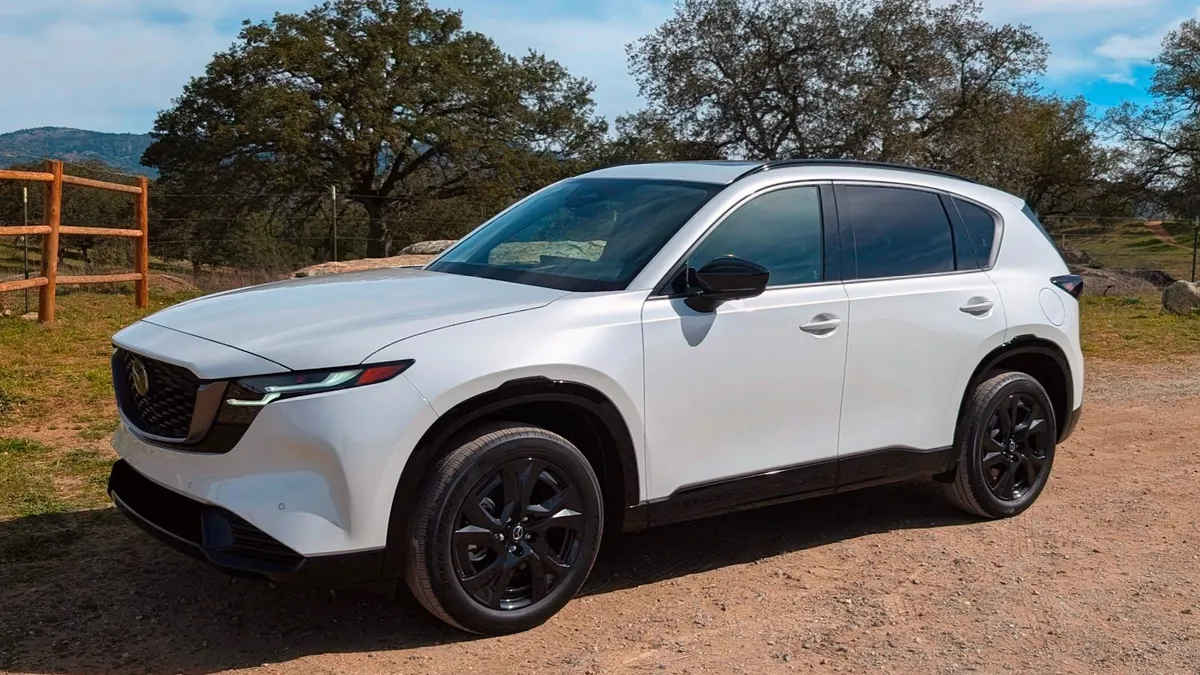
Mazda Motor Corp. has a lot riding on the refreshed 2026 CX-5 crossover, its best-selling vehicle in the U.S. that competes in one of the most popular vehicle segments with consumers. The more rugged CX-50 was a big seller in 2025 and its more family-oriented sibling will arrive at U.S. dealer showrooms over the next few weeks.
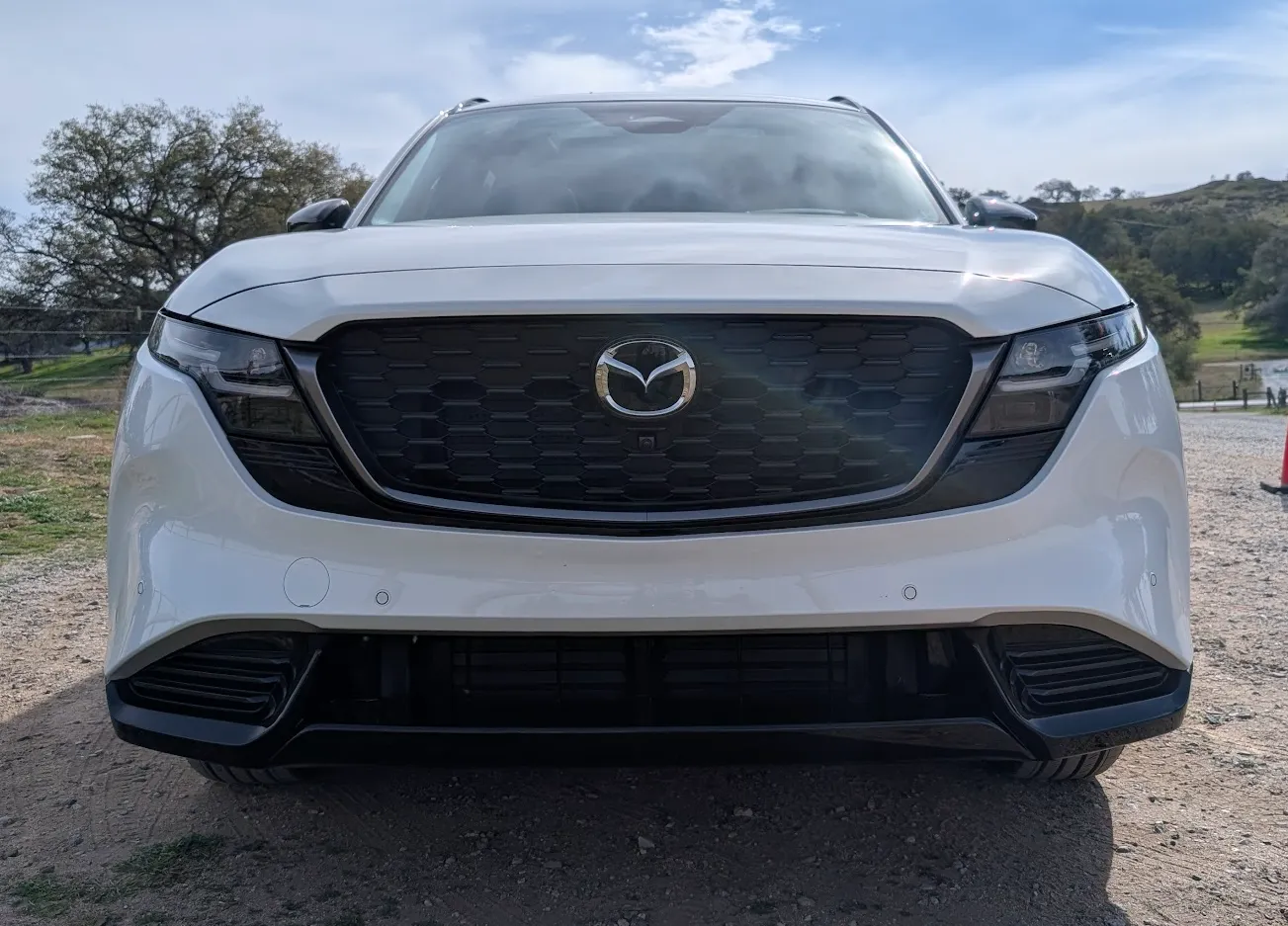
The overall exterior of the new CX-5 retains the familiar look of the 2025 model, but is bigger inside, including a redesigned cargo area. The 2026 CX-5 also sports a new front grill with LED headlamps and two-tiered daytime running lights that look a bit more aggressive. The bigger improvements, however, are its comfort, a larger second row and interior design that feels much more premium.
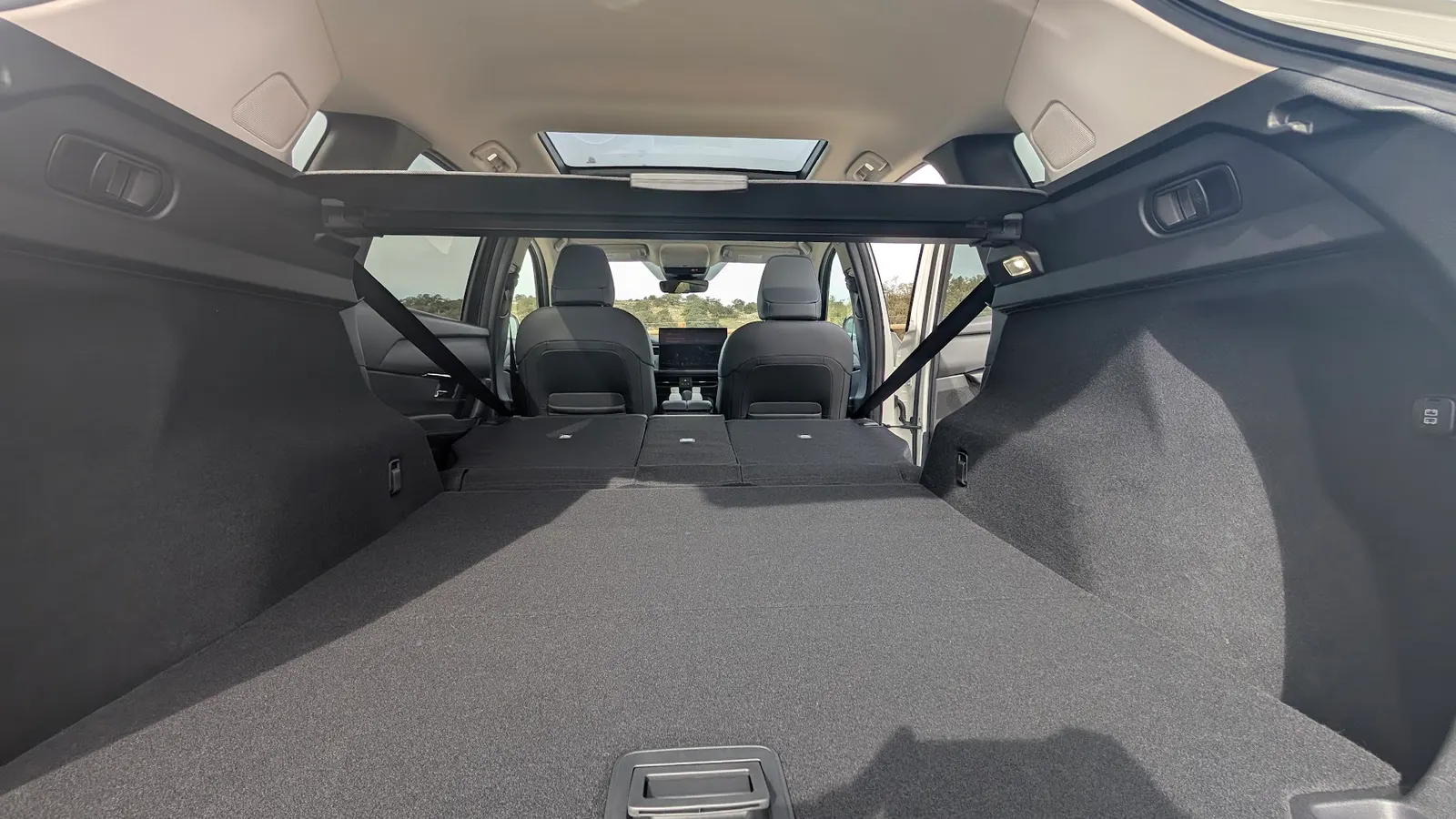
Mazda said it increased the CX-5’s wheelbase by 4.5 inches, which adds more legroom for passengers in the second row. Other tweaks include a wider step plate below the rear doors to make getting in and out easier. The cargo area opening now has a lower loading floor height to make loading and unloading items easier, with three-section 40/20/40 rear seats that fold flat to better accommodate larger items.
Inside the new 2026 CX-5 for the first time, we found both front and rear seats were comfortable for both front- and second-row passengers, along with ample legroom. Headroom is also good in both the front and second row, with an available panoramic sunroof that lets in sunlight to make the interior feel bigger.
Other Mazda design touches on all versions include a standard leather-wrapped steering wheel and shift knob. There are also two USB-C charging ports in the center console and a wireless charging pad for smartphones, along with two 12-volt power outlets in the cargo area.
A new infotainment system for the CX-5
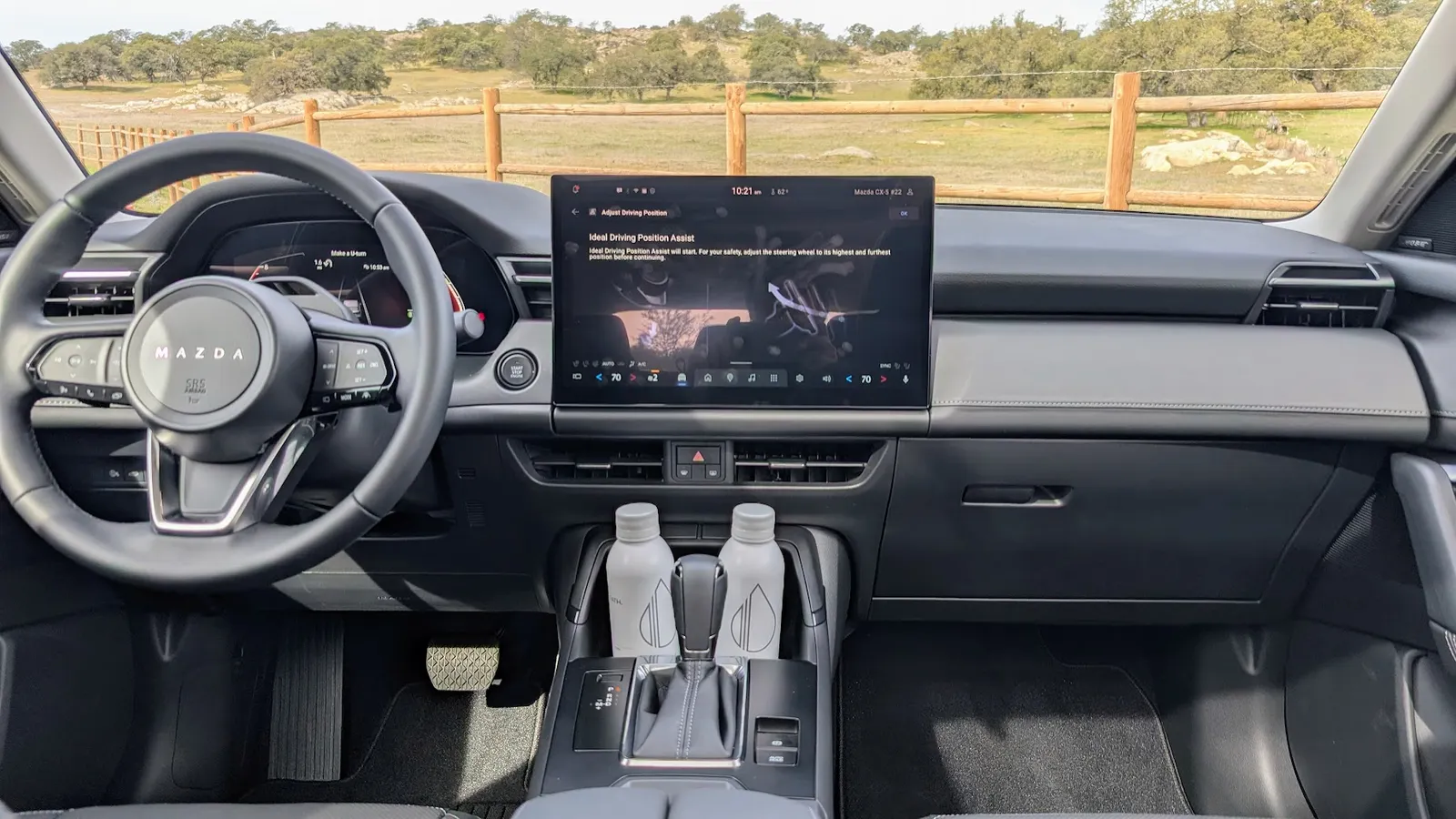
The 2026 CX-5 comes standard with the “Mazda Connect” infotainment system, which now features a bigger 12.9-inch touchscreen. It features Google built-in and Android Auto compatibility as standard, along with Gemini AI assistant functionality. Drivers can easily pair an Android-based smartphone and access their Google account to use Google Maps for navigation or audio streaming via YouTube Music. The system also supports Apple CarPlay and iPhone mirroring.
Mazda also offers an optional 15.6-inch infotainment screen in the top trim version of the CX-5, which is the largest-ever available in a Mazda vehicle and the one equipped in our test vehicle. Drivers can download their favorite apps and arrange them on the infotainment screen for convenient access. The display itself is mounted right of center to improve driver visibility and reduce distractions, Mazda representatives told WardsAuto.
The automaker also added voice control functionality for many of the more frequently used in-car controls to help a driver to remain more focused on the road. Drivers can ask the built-in assistant questions such as, “What side of the vehicle is the gas cap on?” and receive a quick response.
The voice assistant can also be used to adjust the climate control temperature (including activating the “auto” setting), audio system volume and other frequently used functions. It worked well during our test drive.
As many drivers complained about the removal of physical knobs or buttons for frequently used vehicle settings, Mazda kept its previous design without them, but it said it developed a more intuitive interface to make settings easier to use, according to Matthew Valbuena, manager of in-vehicle technology and human-machine interfaces at Mazda.
"Our goal with the 2026 CX-5 was to make technology easy to use while keeping the driver focused on the road," Valbuena said in a December press release. "A great deal of research and testing went into developing Mazda's latest infotainment system, and we believe it is well positioned to feel familiar to how customers interact with smartphone-like devices."
Mazda’s designers kept frequently used icons fixed at the bottom of the screen, including volume, seat heaters and climate system temperature controls.
Oddly enough, the volume control at the bottom right side of the infotainment screen is closer to the passenger side. The design choice was intentional, as Mazda intends for the driver to use their voice to control volume or with the button on the steering wheel in order to minimize distractions, representatives said in a media briefing.
Other updates for the 2026 CX-5 include new steering wheel controls for the infotainment settings to help keep the driver more focused on the road ahead.
First drive impressions
WardsAuto recently got some extended drive time behind the wheel in the new 2026 CX-5 ahead of its arrival at U.S. dealers, which included several hours on twisty mountain roads in Southern California. For one, Mazda’s attention to the driving experience was apparent, with the CX-5 providing a sporty, firm yet comfortable experience, which has long been part of the brand's core DNA.
The cabin is also noticeably quiet with minimal wind noise compared to some vehicles, including close competitors like Toyota’s RAV4, which the automaker has worked to address in the 2026 model. The level of noise reduction was excellent, especially at speeds under 45 mph. The windshield is also quite large, offering an ample view of the road ahead for the driver.
Mazda also updated the 2026 CX-5 with a new tire and wheel setup. The standard tires on the base trim are 17 inches, but our test model was riding on 19-inch, V-rated high-performance tires, and the SUV remained well-planted and firm in tight corners on winding roads with minimal body roll.
The suspension tuning is well-executed for its target demographic of families with young children. It's not overly sporty, but still retains Mazda’s driver-focused feel. The automaker seemed to have nailed this balance between firmness and comfort. Braking performance was also very good.
Powertrain takeaways
Powertrain engineering updates were also introduced for the 2026 model to provide a more intuitive interaction between driver inputs, delivering improved ride and handling, according to Mazda. It includes new shocks and the latest version of Mazda’s G-Vectoring Control Plus that uses an electronic brake limited-slip differential to improve traction.
The 2026 CX-5 comes with Mazda’s SkyActiv-G 2.5L inline 4-cylinder engine, generating 187 horsepower and 186 lb.-ft. of torque. Although it’s not as powerful as some other crossovers, it’s responsive and will likely provide plenty of power for the CX-5’s target customer. Mazda says the engine has been tuned to be more responsive in the 2026 model, which we confirmed during our drive.
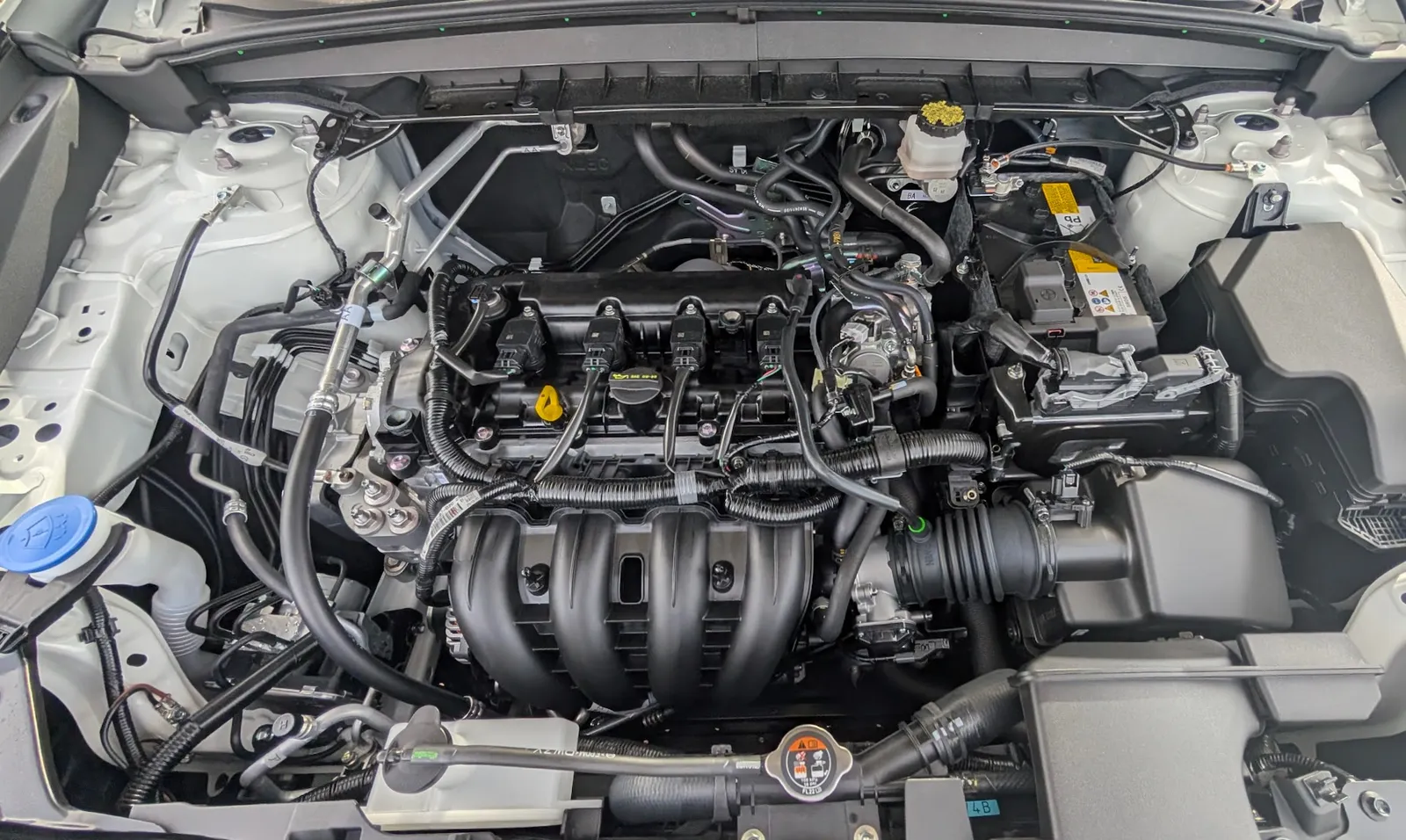
The inline-4 engine is paired with a 6-speed automatic transmission and Mazda’s standard i-Activ all-wheel drive system. It features push-button drive select modes on the steering wheel, which Mazda calls “Mi-Drive.” Settings include “Normal”, “Sport” and “Off-Road.” Each one optimizes the performance of the 6-speed transmission and AWD system, according to Mazda.
We found that the “Sport” setting significantly increased engine noise, due to higher RPMs and shift points. Unlike some vehicles like the Hyundai Santa Fe, the Sport setting does not tighten the steering feel electronically, which was a bit disappointing.
Other than hearing more engine noise entering the cabin, we found that the Sport setting didn’t offer that much of a power boost to justify using it, and therefore kept the CX-5 in Normal mode for most of our several hours of driving. Transmission shifts from the 6-speed automatic were barely noticeable in the “Normal” drive setting, as intended by Mazda.
Safety features and ADAS
The CX-5 includes a long list of safety features including Rear Cross Traffic Alert with Pedestrian Detection; front Smart Brake Support; Turn-Across Traffic alert; Emergency Lane Keeping (that bundles Blind Spot Assist, Road Keep Assist and Head-on Traffic avoidance); Blind Spot Monitoring; Vehicle Exit Warning; Traffic Sign Recognition showing posted speed limits on the HUD display; and front and rear automatic braking.
The CX-5’s radar-based ACC with Speed Limit Assist also performed well at higher speeds and in bumper-to-bumper traffic on California's busy Interstate 5 freeway, with the SUV coming to a smooth stop as needed without driver input, as well as automatically resuming the set speed smoothly as traffic flow increased. It offers four settings using radar to maintain a precise distance from the vehicle ahead.
The SUV’s standard Driver Attention Alert can also detect the presence of fatigue and issue audio and visual alerts to pay attention. It’s designed to operate at speeds over 41 mph and after roughly 20 minutes of driving. It uses the CX-5’s Forward Sensing Camera to monitor steering, lane positioning and speed.
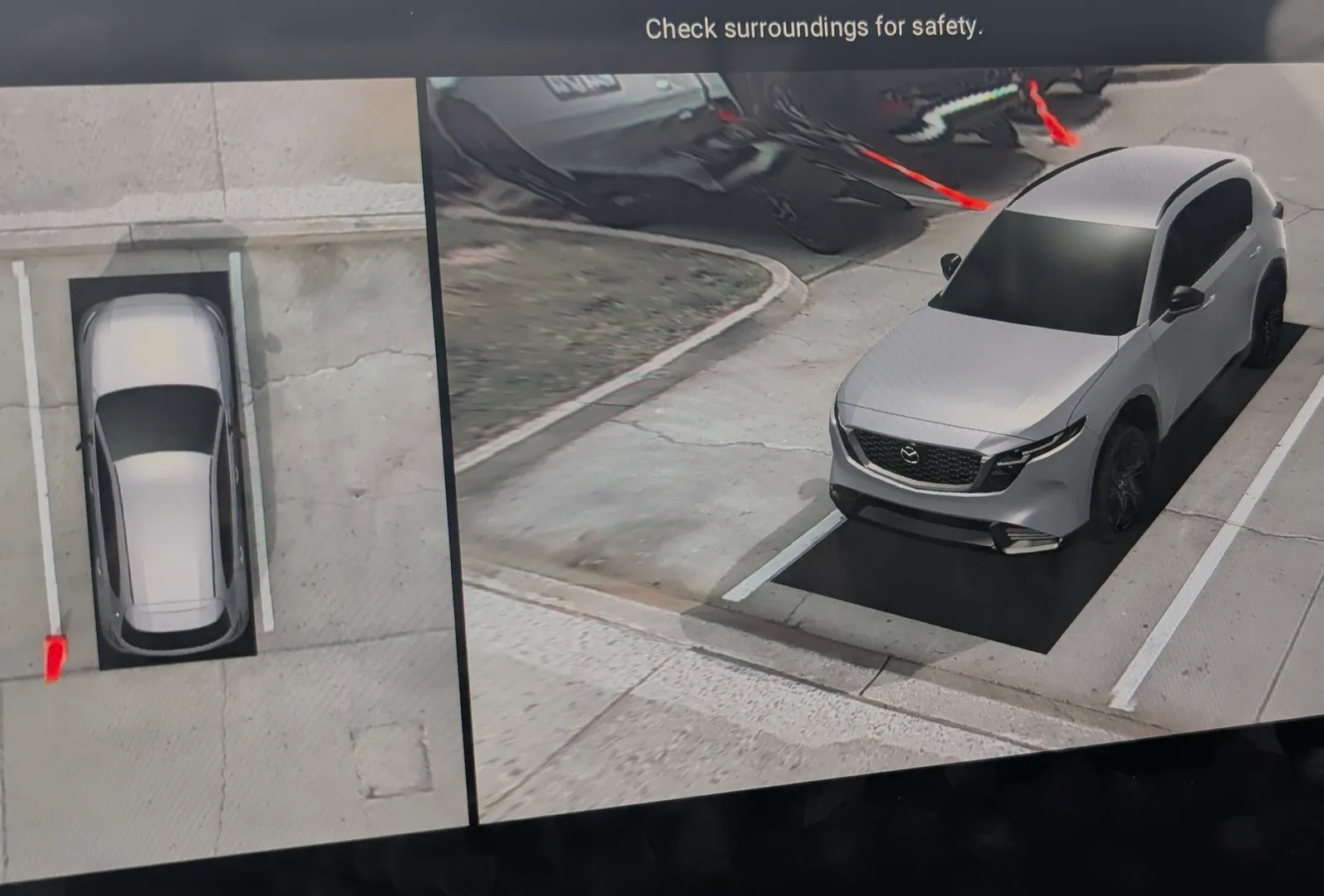
For parking assistance, the new CX-5 comes with front and rear parking sensors (front and rear) and a rearview backup camera with a tow hitch guide for easier parking and low-speed trailer towing. When shifting into reverse, the camera-based parking assistance system shows a complete view around the vehicle and from above using computer vision technology to simulate a bird’s-eye view.
CX-5 trim levels and standard features
The CX-5 is available in five trim levels: “S”, “Select”, “Preferred,” “Premium” and “Premium Plus.”
The base S trim is well-equipped, however. It comes with 17-inch wheels; an eight-speaker stereo system with HD radio support; automatic dual-zone climate controls; a 12.9-inch infotainment system; eight-way manually-adjustable driver’s seat and six-way manually-adjustable passenger’s seat. The standard rear bench with center armrest also reclines and features a 40/20/40 split function with a center pass-through for accomodating larger items.
The more upmarket S Select trim adds tinted privacy glass; keyless entry; auto folding and heated side mirrors; leatherette seating with cloth center insert; a frameless rearview mirror with auto-dimming; rear seat air vents; wireless phone charging; and wireless Apple CarPlay and Android Auto functionality.
S Preferred models come with 19-inch alloy wheels, a full-color head-up display; rear power liftgate; side mirrors with memory; a windshield wiper de-icer; heated front seats with memory; heated steering wheel; and Homelink garage door opener integrated into the rearview mirror.
The S Premium trim also adds a panoramic sunroof, black contrasting elements on the front and rear bumpers and wheel molding for more visual appeal; 19-inch wheels finished in black metallic; and upgraded headlights and taillights using “Mazda’s Signature Illumination” LED effect.
The interior features for the S Premium trim include leather seats with front seat ventilation function; 10-way power adjustments for the driver and six-way adjustments for the passenger. The rear seats are heated on S Premium models, along with an upgraded 12-speaker Bose audio system with SiriusXM. Music playback sounded clear with hefty bass, with plenty of options for sound customization via the infotainment screen.
The top of the CX-5 line is the S Premium Plus model. If comes with steering wheel paddle shifters, a hands-free power rear liftgate, Adaptive Front Lighting System; Front Cross Traffic Alert and Braking, Driver Monitoring, a 360 View Monitor for parking; Cruising and Traffic Support with Lane Change Assist that automatically changes lanes using the turn signal stalk. While we didn’t try the paddle shifters, manual shifts can also be performed via the center console shifter and manual gear changes were immediate.
The top-trim CX-5 also comes with the larger 15.6-inch infotainment screen and Mazda’s Driver Personalization System, which debuted on the flagship CX-90 SUV. It allows multiple drivers to set up a custom profile of seat, mirror and HUD adjustments and store it in memory.
The standard paint color for the new CX-5 is called “Navy Blue Mica”, but five optional premium metallic paint colors are available for an additional $595, including Soul Red Crystal and Polymetal Gray.
Pricing
MSRP for the 2026 CX-5 starts at $29,990 for the base S trim and tops out at $39,990 for the S Premium Plus. The MSRP does not include a $1,495 destination and handling fee.
It’s worth noting that the U.S.-spec CX-5 is manufactured by Mazda in Japan and currently subject to a 15% import tariff, which was reduced from 25% in September 2025 as part of the United States-Japan Agreement in an executive order signed by President Donald Trump.
But Mazda said it has yet to pass along any tariff costs to consumers due to the automaker’s ongoing cost-cutting initiatives, which Mazda North America Operations President Jeffrey Guyton confirmed in an interview with Automotive News earlier this month.
The 2026 CX-5 is slated to begin arriving at U.S. Mazda dealers in the next few weeks.