The state of public charging infrastructure is still a major reason why consumers reject electric vehicles, even though in actual practice most charging happens at home, and even though fewer owners experience “non-charging visits” – read, non-working public chargers – according to the 2025 J.D. Power U.S. Electric Vehicle Experience Public Charging Study, or EVX Public Charging for short.
“You’re right that public charging isn’t as critical as home charging is. But it is necessary,” Brent Gruber, executive director of the EV practice at J.D. Power, tells WardsAuto.
In this year’s study, customer satisfaction with public charging is down overall, for both categories of public chargers: direct-current, 300V-plus fast chargers, and slower, but more common, 240V Level 2 chargers. Respondents give DC fast chargers a score of 654 on a 1,000-point scale, down 10 points vs. a year ago. Level 2 public chargers are rated at 607, down 7 points from the 2024 study.
That’s not going to help dealers sell more EVs or plug-in hybrids.
Areas that got worse in the current survey include cost and ease of payment, according to the survey. Respondents were 7,428 owners of battery-electric vehicles (BEVs) and plug-in hybrid electric vehicles (PHEVs). The study was fielded from January through June 2025.
Everyone Needs It – Sometimes
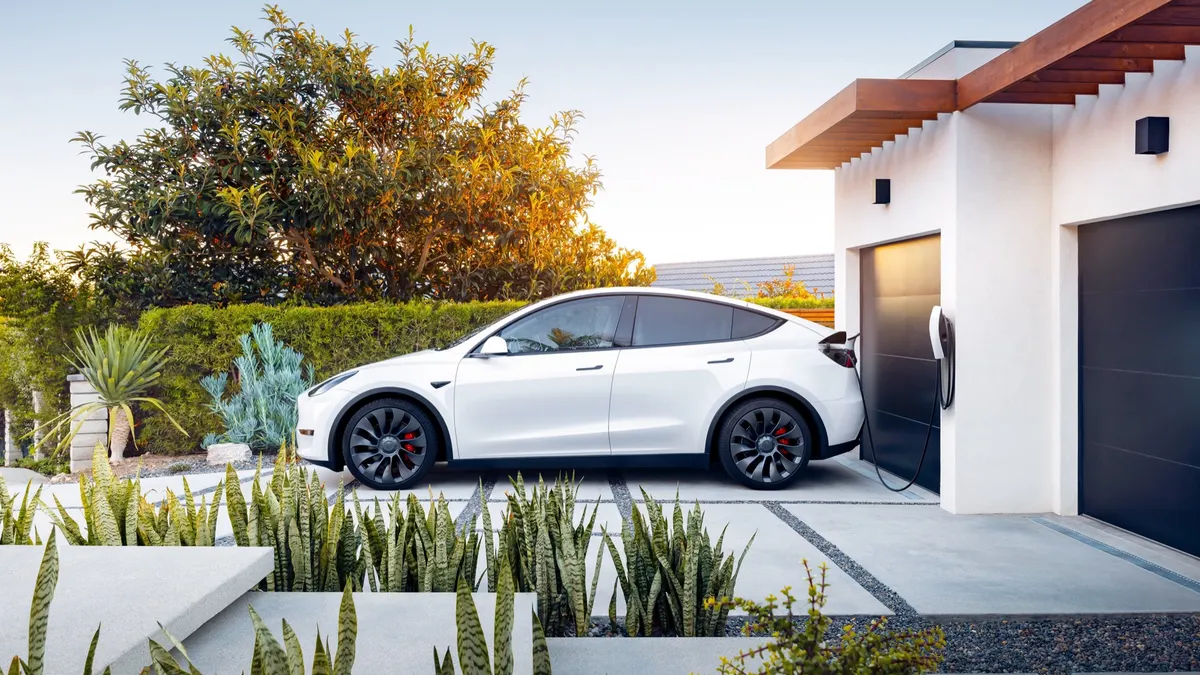
More than 80% of charging for BEVs and PHEVs happens at home, but all BEV and plug-in customers rely on public charging sometimes, Gruber says.
Obviously, customers who can’t charge at home conveniently, such as apartment dwellers, rely more heavily on public charging, he says.
But even customers with home chargers engage in what Gruber calls “convenience” charging, topping off their batteries when they find available chargers at stores or work. Those on long-distance road trips are among those who generally rely on public chargers for “purposeful” charging.
Home, Sweet Home Charging
In a separate study, the 2025 EVX Home Charging Study, J.D. Power reports respondents rate their experience with home chargers much higher than public chargers.
Overall satisfaction among owners of Level 2, portable home-charging stations is 714; or 733 for Level 2 permanently mounted home chargers. Owner satisfaction with Level 1 portable chargers is low, at 581.
Whether portable or permanently mounted, Level 2 chargers use a 240V electrical outlet, which is standard in European households but found sporadically in the U.S., where one may or may not be required to power some large appliances such as clothes dryers and ovens. Level 1 chargers – a much slower option that may take overnight to charge a vehicle fully – use a standard, 120V electrical outlet.
Fewer Surprises (But, Still Plenty Ahead)
As noted above, the good news in this year’s EVX Public Charging Study is that “non-charging visits” significantly improve.
The 2025 study reports that 14% of all EV owners say they visited a charger without successfully charging their vehicle. That’s down from 19% a year ago, and the lowest level in four years of the survey, J.D. Power says.
Still, that’s a substantial number of failures, compared with gas pumps inspected regularly by state departments of agriculture or state weights and measures departments. There is no centralized data for gas pump failures in the U.S. but research firms estimate the total is between 6-8%.
And those visiting gas stations can choose from among 1 million-plus individual fuel dispensers across about 145,000 fueling stations. The U.S., as of Aug. 14, has 75,480 Level 2 and DC-fast public charging stations and 223,785 Level 2 and DC-fast charging ports nationwide, according to the U.S. Department of Energy’s Alternative Fueling Station Locator.
Take A Number
The unfavorable EV charging numbers are also higher than average in some of the busiest EV markets, the survey says – in Seattle, 25% of EV drivers report a higher rate of non-charging events, and 24% in Los Angeles.
Waiting in line for a charger is also more common in the heavier EV markets. “Where utilization is high, you see a higher percentage having to wait to be able to charge,” Gruber says. “Another element of it is aging infrastructure. On the West Coast, EVs were introduced earlier, and have become much more prolific,” equaling more charger demand and taxing older chargers that haven’t been updated.