The year 2025 saw healthy dealership M&A activity, but it was also a year of uncertainties. Dealerships dealt with questions around tariffs, EV mandates and interest rates, which slowed deal activity in the first half of the year.
The deal cadence picked up in the second half of 2025 as dealership buyers and sellers brushed off concerns and dived back into the market.
That optimistic deal activity should accelerate in 2026, buy-sell professionals told Wards Auto. While some uncertainties remain, it should be a banner year for dealership M&A, they said.
“I do think with a backlog of deals that were not done in 2025 because of extreme uncertainty, there should be a pickup” in 2026, John Murphy, managing director of strategic advisory at Haig Partners, told WardsAuto in a Zoom call.
There are more buyers than sellers in the market, he said, and the valuation gap that existed in 2025 — sellers expecting the value of their dealership to be more than buyers were willing to pay — should diminish. Valuation expectations “will converge, driving much higher activity in 2026 and beyond,” Murphy said.
National Business Brokers is seeing the pace of closings increase as well, NBB CEO Zach Kuzemka told WardsAuto in a Zoom call. NBB has also seen the bid-ask gap narrow, he said.
“Overall, it seems like a very conducive market to get deals across the finish line,” Kuzemka said.
Though 2025 was a very profitable year for him, buyers were “skeptical” and “cautious,” Joe Ozog, principal of Ozog Consulting Group, told WardsAuto in a Zoom call. The tariffs “scared a lot of people,” he said.
That looks to be changing in 2026, however. Closing deals should be much smoother this year, Ozog said. “Things have settled down in Q4,” he said, adding: “I think 2026 will be my best year ever, actually. I have six deals scheduled to close in January and February.”
However, there is one “fly in the ointment” for 2026, Murphy said, pointing to the mid-year joint review of the United-States-Mexico-Canada-Agreement as a potential source of market disruption.
Luxury vs. volume franchise deal pace
Buy-sell activity in 2026 will pick up “across the board,” Murphy said. But given that luxury franchises have held up better on the sales side over the past few years, volume-brand franchises have the most potential upside and “seem to be reasonably hot tickets,” he added.
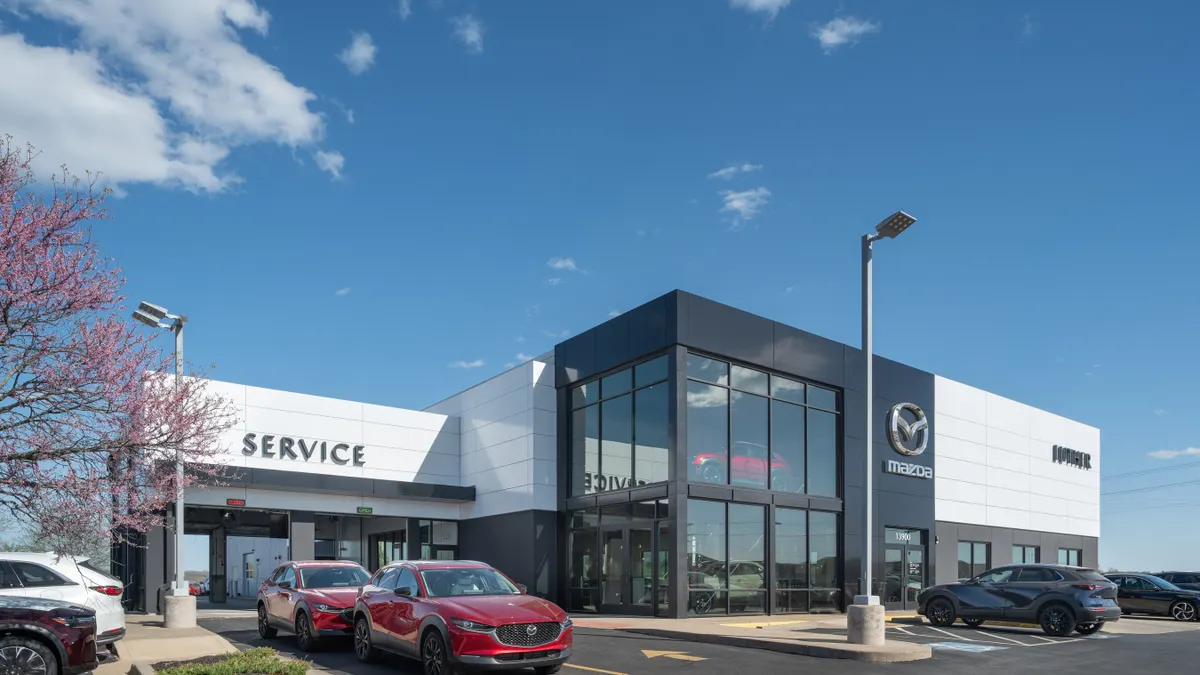
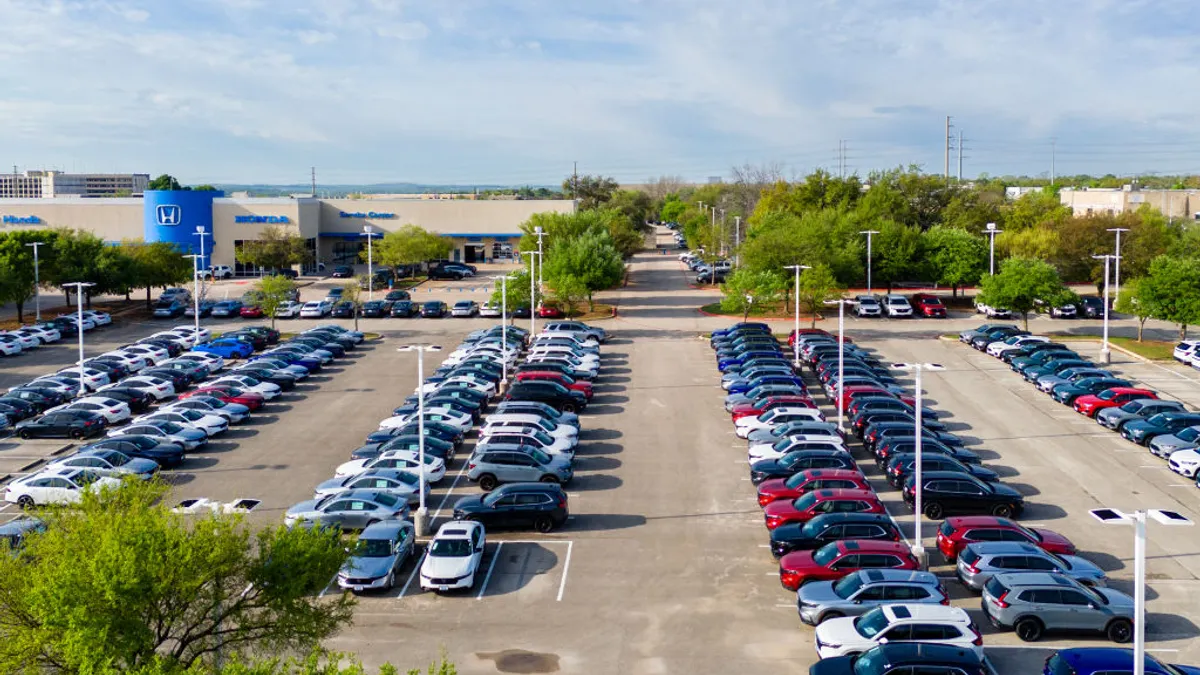
There are, of course, many more volume brands than luxury dealerships among the some 18,000 rooftops in the U.S. Percentage-wise, however, Murphy sees more volume-brand dealerships changing hands in 2026.
Ozog has a different view.
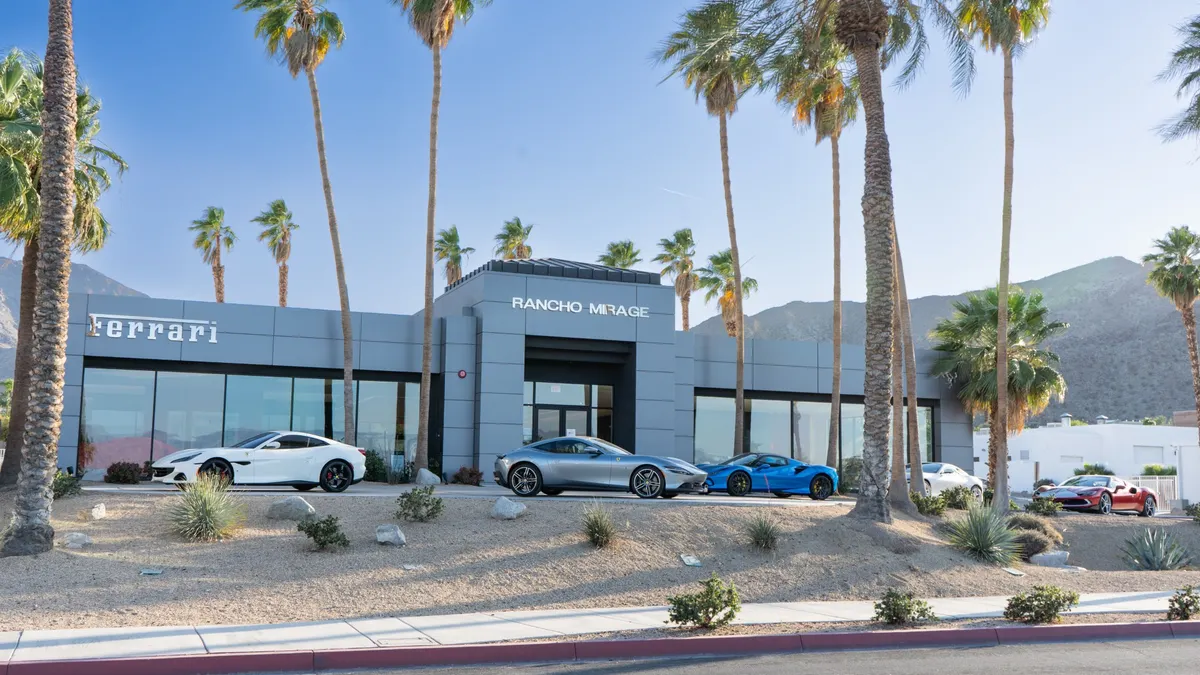
He figures a higher percentage of luxury-brand dealerships will change hands in 2026. Luxury dealerships have made a lot of money in the past few years and that supports a solid multiple, Ozog said, so “there’s still a lot of money to be made by selling your luxury brand.”
A multiple represents the premium buyers will pay for the goodwill aspect of a brand’s dealership.
Volume-brand dealership profits have begun to normalize while luxury-brand profits are just reaching their peak, Ozog said. “As you get to that peak, guys are like, ‘Okay, do I want to wait another eight or ten years before I’m at my peak again, or do I want to sell at my peak?’”
Consolidation continues
According to the NADA Data Mid-Year 2025 report, the retail automotive industry is consolidating.
Among U.S. dealership owners, the share owning between one and five stores dropped to 90.7% from 91.4% in the previous year, according to the report.
Those smaller groups and single points will be acquisition targets in 2026, industry pros said.
The single-point dealerships are “catnip” for the regional and super-regional groups as well as the “regional wannabes,” James “JT” Taylor, an NBB board member and strategic advisor, told WardsAuto on the Zoom call with Kuzemka.
“A lot of the five rooftops are going to be 15 in the next eight years,” Taylor said.
The consolidation will be aided by the continuing entry of new forms of capital into the buy-sell industry in 2026, including family offices and private equity, Murphy said.
The “chase for returns on all forms of capital in the world,” given low interest rates, has heightened interest in investing in auto dealerships, he said.
But the manufacturers are wary of investors who aren’t committed to long-term ownership, so many non-traditional investors must team with an experienced auto dealership operator to win the manufacturer’s approval for the acquisition, Murphy added.
That will continue to create a pathway for general managers and other experienced dealership operators who want to own a dealership, he said. They become operating partners with a stake in a dealership majority owned by the private investor.
“I have been surprised at how much capital there is for someone who wants to invest in the industry,” Murphy said.