Quite a few ultra luxury and exotic dealerships have changed hands in recent months, although that doesn’t necessarily signal a growing demand for dealerships in the segment, industry experts told WardsAuto.
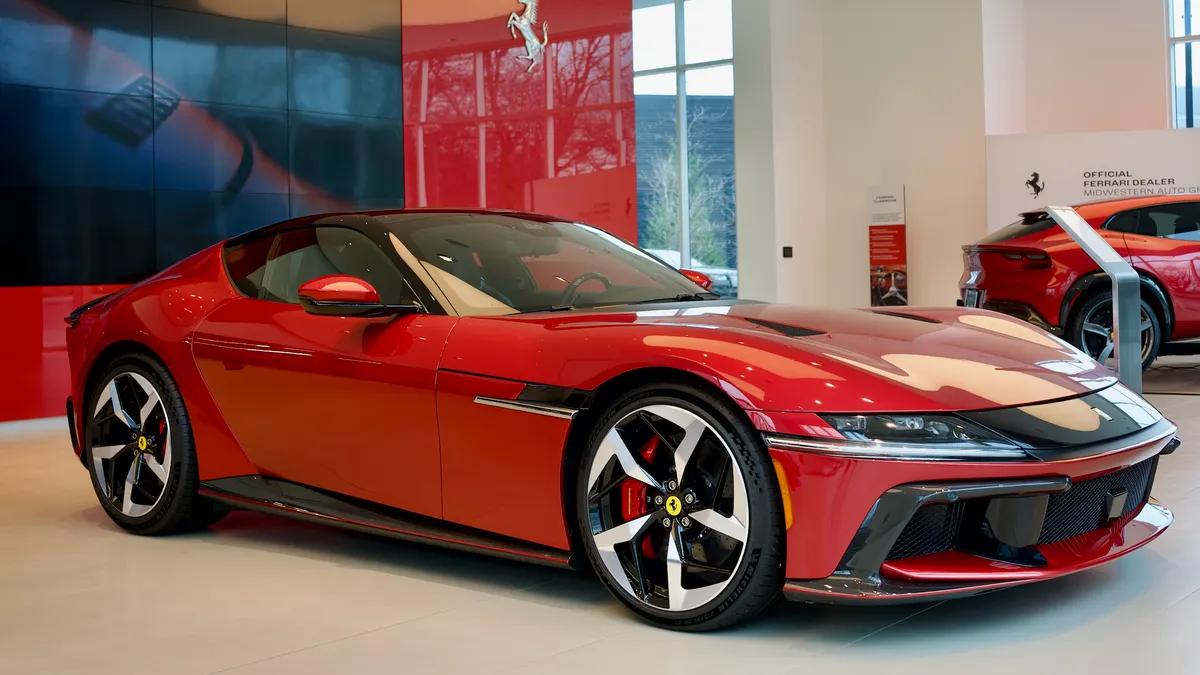
It does, however, point to a growing demand for dealerships of one brand in particular — Ferrari.
“There was this week, I think in December, where I had two separate dealers on two separate sides of the U.S. literally ask me, ‘find me a Ferrari store,’” David Hacman, president of Hacman Financial, a dealership mergers and acquisitions consulting firm, told WardsAuto on a Zoom call.
There are only some 50 Ferrari dealerships in the U.S., yet they have been changing hands with increasing frequency.
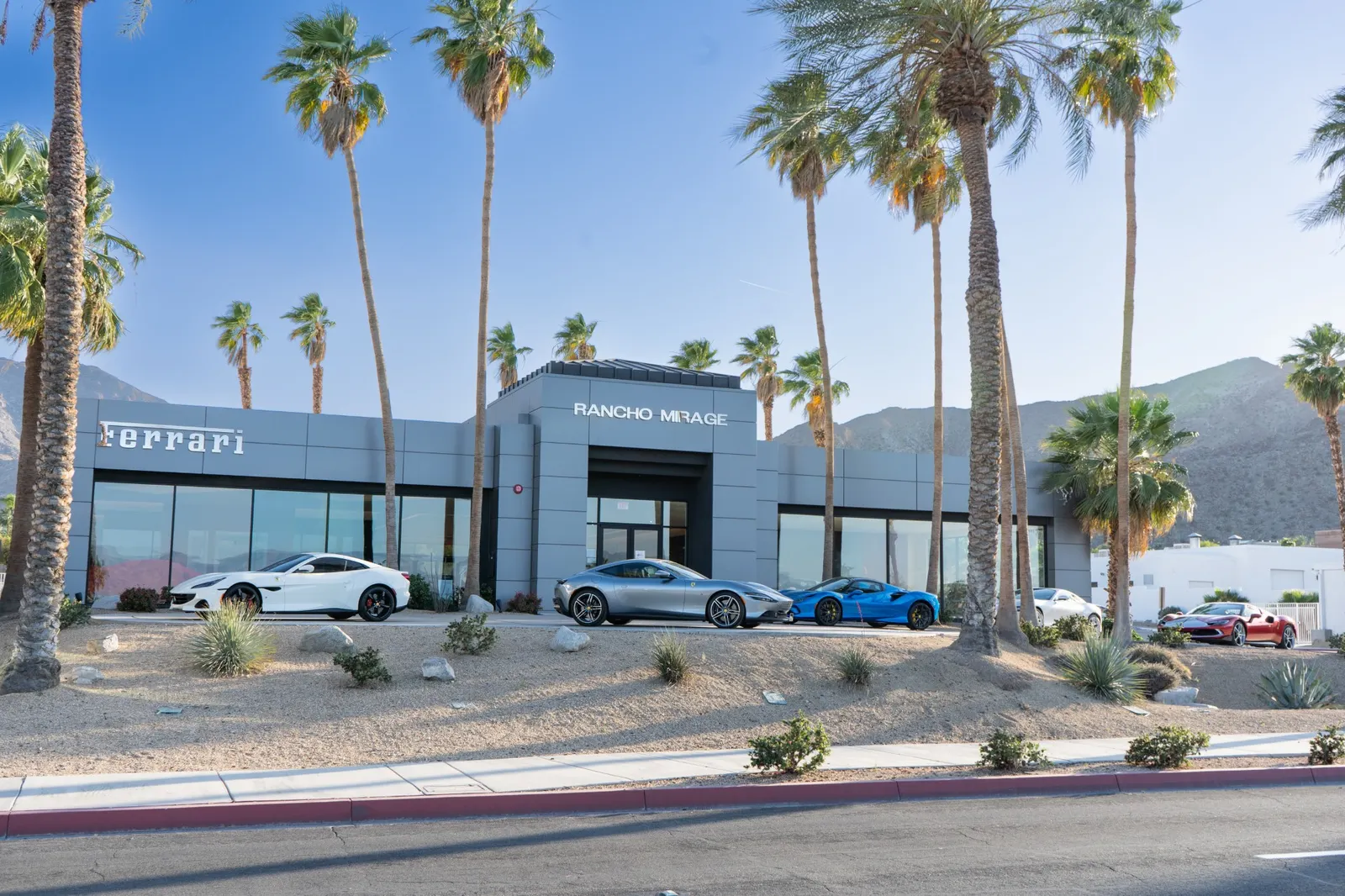
Among the more recent Ferrari transactions, U.S. Auto Trust acquired a Ferrari franchise as part of its October 2025 acquisition of Boardwalk Auto Group; Zeigler Auto Group acquired Ferrari of Lake Forest in May 2025; the Jeff Wyler Auto Family acquired a Ferrari franchise in January as part of its Midwestern Auto Group acquisition; Todd Blue acquired Ferrari of Rancho Mirage in December 2025; and George Grinzewitsch Jr. acquired Ferrari of San Francisco in August 2025.
Rather than a single point Ferrari store, an acquisition often includes other ultra-luxury and exotic brands. The Jeff Wyler Auto Family’s acquisition of Midwestern Auto Group, for example, also included Lamborghini, Rolls-Royce, Bentley, Maserati and Lotus franchises, along with some other premium brands.
But in each acquisition the buyers had one goal: to own a Ferrari franchise, Alex Watterson, managing director of The Presidio Group, an investment bank with a dealership mergers and acquisitions business, told WardsAuto on a Zoom call.
“Dealers are after one brand; they are willing to take the other brands as an add on,” he said.
Why are Ferrari dealerships so desirable? “The product and the profitability,” Watterson said.
Similar to owning an art gallery
It’s more than that, though. Buyers of such prestigious franchises also want to be associated with the lifestyle.
Owning a Ferrari dealership is “a very exclusive ownership club to get into,” James “J.T.” Taylor, managing partner at Accrual Equity Partners, a private equity firm investing in dealerships, told Wards Auto on a Zoom call.
The ultra luxury and exotic dealerships have for decades operated “similar to art galleries; they had people focused more on lifestyle than product,” he said. “The facilities were used for events that weren’t even auto related, with the thought these products are art. That still holds true.”
Todd Blue is focusing on the Ferrari lifestyle at his recently acquired Rancho Mirage dealership, including building a facility at a nearby race track for his clients, friends and other Ferrari owners. He aims to connect with his customers through unique events, Blue told WardsAuto on a Zoom call.
“I want direct connectivity to my customers, literally direct,” Blue said.
That’s a central part of owning a Ferrari and a Ferrari dealership. Indeed, “lifestyle activities” are a separate revenue stream for Ferrari.
“Lifestyle activities posted encouraging results, mainly sustained by licenses and successful activations and experiences. 2025 was a year of progress and continued investment to elevate the offering, the distribution and client experiences,” Ferrari said in a February press release announcing its 2025 financial results.
That exclusivity is reflected in the buyers of such brands, who in the U.S., tend to be clustered geographically in areas with demand for high-end boats, among other characteristics, Tom Kondrat, global lead, advanced analytics at industry intelligence firm Urban Science, told WardsAuto on a Zoom call.
They are also found in areas with “luxury destination locations” including swanky fitness clubs and high-end resorts with features such as horseback riding, he said.
Ferrari vs. the others
According to Urban Science, total retail sales in the U.S. for ultra luxury and exotic vehicles fell 11% in 2025 to 15,670 units compared to the previous year.
In addition to Ferrari, the ultra-luxury vehicle category includes Rolls Royce, Aston Martin, Bugatti, Lamborghini, Lotus, Maserati, McLaren and Karma, Kondrat said.
Individual brands did well, however. Ferrari sales, for example, rose 2.3% annually to 3,337 units. Rolls Royce and Aston Martin sales also rose, Kondrat said.
Taylor expects demand for ultra luxury and exotic vehicles will remain strong in 2026.
“We are on the cusp of a massive transition of assets, wealth, generationally as the Boomers (those born between 1946 and 1964) pass on their aggregated wealth,” he said. “The brands are already fine tuning their products to reflect their demographics.”
For that reason, he also foresees that high-end dealerships will remain in demand.
“Brands like Aston Martin, Lamborghini, Ferrari, McLaren and then the mainstream super-luxury Rolls Royce and Bentley continue to be desirable franchises, at least in North America, absolutely,” Taylor said.
But one brand still stands out, Watterson said. “When I think of ultra lux[ury], I think about everything else and then, Ferrari,” he said.