As electric-vehicle adoption continues to grow, the ability to charge at home remains one of the most significant selling points for prospective buyers – even though customer satisfaction with home charging has slipped slightly, according to J.D. Power’s 2025 U.S. Electric Vehicle Experience (EVX) Home Charging Study.
The study finds overall satisfaction dropped among owners of Level 2 chargers, mainly due to rising electricity costs, slower-than-expected charging speeds and technical issues with charger connectivity. However, J.D. Power experts say this presents an opportunity for auto dealers to help customers set realistic expectations – and to position themselves as trusted EV consultants.
Here’s how dealers can leverage the new data to boost EV sales and owner loyalty:
1. Emphasize the Long-Term Benefits of Level 2 Charging
Although some new EV owners are opting for slower Level 1 chargers, J.D. Power warns that long-term satisfaction is closely tied to having a Level 2 charger installed at home.
Dealer Action: Bundle Level 2 home charger incentives with new EV purchases. Offer installation support or partner with home electricians to make the upgrade seamless.
2. Set Proper Expectations About Charging Costs
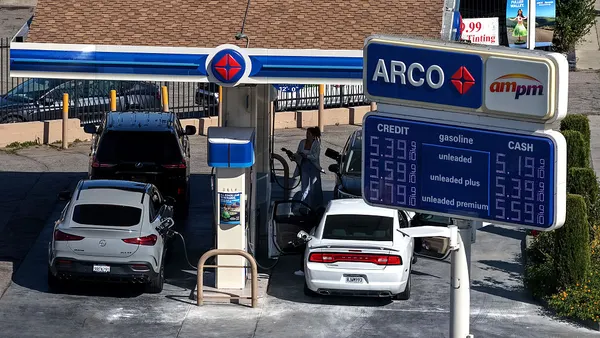
The average owner now spends about $58 per month for charging at home, up slightly from last year. That can feel expensive to some customers, especially in high-rate areas like the Northeast and West Coast.
Dealer Action: Frame the monthly home charging cost against gasoline savings. Use calculators or real-world examples to show the total cost of ownership benefits EVs provide over time.
3. Talk Candidly About Charging Speed and Connectivity
Satisfaction drops sharply – by 141 points – when owners encounter slower-than-expected charging speeds.
Dealer Action: Customers generally don’t understand Level 1 and Level 2 speed differences. Dealers can educate customers by highlighting the importance of strong Wi-Fi signals for smart chargers.
4. Address ‘Charger App Fatigue’ Upfront
Technical frustrations are highest among owners of Level 2 permanently mounted chargers, often because of glitchy apps or Wi-Fi problems.
Dealer Action: Offer a quick tutorial on using the charger app during vehicle delivery. Provide printed or video resources from trusted brands like Emporia or Wallbox (two top providers in this year’s J.D. Power study).
5. Position Yourself as a Long-Term EV Partner
Satisfaction isn’t just about the car but the whole ownership experience. Dealers who help customers navigate home charging issues can earn long-term loyalty and referrals.
Dealer Action: Follow up 30 to 60 days after purchase to check the home charging experience. Offer help or resources if the customer is experiencing issues.
As dealers continue to strive to sell EVs, home charging is a key feature to highlight. J.D. Power’s survey shows rising costs and tech glitches may sabotage EV interest. Ease customers’ concerns by proactively addressing home and other charging solutions.
More information about the study can be found at the J.D. Power site.