

Global car buyers are turning back to the internal combustion engine vehicles, as demand for electric vehicles continues to wane, and this includes data suggesting a lowering desire for hybrids.
That’s the findings from of two analysts working for Ernst & Young (EY), who claim that half of global car buyers are planning to choose an ICE powered vehicles as their next purchase, a jump of 13% from 2024 data.
Range anxiety, poor charging infrastructure and geopolitical pressures are cited as causes for a growing reluctance to make the switch to EVs.
The EY Mobility Consumer Index study also pointed out that while consumers have a growing appetite for connected vehicle features, higher ownership costs attributed to EVs is a concern for around 40% of car buyers.
Meanwhile, the Mobility Consumer Index for the U.K., potentially the first European country to impose a ban on new ICE vehicles as early as 2030, saw a similar slump in EV demand, with 41% of consumers planning to buy an ICE vehicle as their next purchase. Only 19% of respondents are interested in buying an EV, down from 23% last year.
Reports are growing that the European Union is about to delay its own 2030 target to ban sales of new ICE vehicles to 2035, or possibly to 2040, according to The Times newspaper, which quoted the assertion made by Tim Tozer, chairman of the insurer and roadside-assistance firm Allianz Partners and former U.K. head of Vauxhall, Mazda and Mitsubishi.
U.K. consumers surveyed also reported a slight drop in interest for hybrid powertrains, with just 19% of respondents reporting they are looking to buy a hybrid as their next vehicle, down from 27% last year.
European brands have regained popularity among U.K. car buyers, with 88% of respondents indicating that legacy brands were among their top three preferences, up significantly from 63% in 2024.
There was also a modest uptick in preference for Chinese brands, with 7% of respondents including them in their top three, up from 4% in 2024. By contrast, only 46% of respondents said a U.S. brand was among their preferences, down from 59% in 2024.
“The shift in consumer preferences towards ICE vehicles in this year’s index is unlikely to be a sustained trend as we approach the 2030 ban on the sale of new ICE vehicles, but it does mark a step back for consumer sentiment towards EVs in the UK,” said Maria Bengtsson, EY U.K. & Ireland Mobility Leader.
“Prioritizing the consumer preferences highlighted in this year’s Mobility Consumer Index will be critical for key players across the EV ecosystem including auto manufacturers, policymakers and charge point operators going forward,” she added.
The Index, which was carried out in September and October 2025, surveyed approximately 21,000 respondents across 32 of the world’s top auto markets, including more than 1,000 U.K. respondents.
Globally, a preference to buy an EV has fallen 14% from 24% in 2024 and demand for hybrid powered vehicles also fell from 21% last year to just 16% in 2025.
While 51% of prospective EV buyers said their plans remain unchanged, 36% are reconsidering or delaying purchases owing to geopolitical developments, the report said.
Regionally, the percentage of consumers who said they want to buy an ICE vehicle rose by 12 points in the Americas, 11 points in Europe and 10 points in APAC, while EV intent fell across all major markets.
Policy shifts, including the expiration of U.S. EV tax credits and evolving emissions targets, are cited as reasons shaping these trends. At the same time, major automakers are renewing focus on their ICE and hybrid vehicle portfolios and moderating their former EV programs in response to changing consumer demand, the report states.
Range anxiety remains one of the top reasons for consumers choosing an ICE vehicle over an EV, with 32% of current EV owners citing it as the main worry, while 37% of first-time buyers are concerned about battery replacement costs. In addition, charging frustrations still persist, with 39% of consumers most concerned about locating chargers. Of the consumers surveyed, 37% expressed concerns about long charger waiting times and 32% fretted over high charging costs.
“Consumers are weighing the realities of policy shifts, cost pressures and uneven charging infrastructure,” said Constantin M. Gall, EY Global Aerospace, Defense and Mobility Leader, in a company release.
“The long-term trend appears to be a shift away from a purely electric (‘E-only’) approach toward a more diversified future for vehicle powertrains, with different vehicle technologies serving different customer needs,” he added.
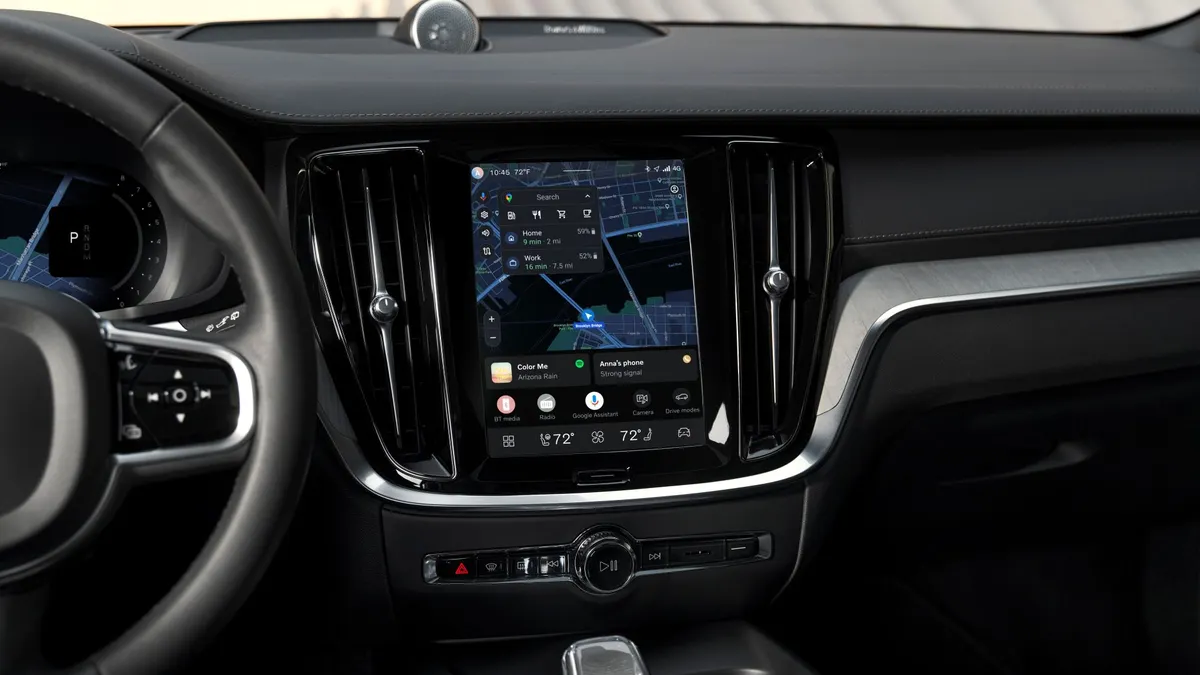
More consumers value connected and autonomous vehicle features as they seek practical technologies. Safety, security, navigation and maintenance-related services, top willingness-to-use and willingness-to-pay lists, ahead of comfort, entertainment and higher levels of autonomy.
Yet, 39% of respondents identified the high cost of connected services as a key barrier and 60% said they are comfortable with lower levels of automation in their personal vehicles.
Despite rising digital sales activity, dealerships continued to play a decisive role in vehicle purchases, with 41% of consumers preferring to complete their purchase in-person, down from 61% in 2024.
However, rival analyst Moody's is holding firm to automotive predictions made in its Non-Financial Corporates 2026 Outlook report, whose (page 6) assessment said: “Battery electric vehicles remain the fastest-growing propulsion technology, taking an 18% share of Western European car sales. We expect that to rise to at least 20% next year, subject to government support and further improved models.”