Cadillac for more than a quarter century has been struggling to gain momentum in the face of increasing competition from European and Asian luxury brands. Now, in arguably the most disrupted period in the auto industry in all that time, the luxury brand is finally getting traction as an increasingly legitimate rival to foreign-made marques.
The General Motors luxury brand has released ten new models or variants in the 2025 model year. Most are battery-electric vehicles including the Escalade IQ, Optiq, Vistiq and V performance versions of both the Optiq and Lyriq. And amidst the Trump Administration’s push on tariffs and Made-In-America policies, Cadillac makes all but one of its models in the U.S., giving it price and profit advantages over most rivals, as well as a new tax-policy advantage of having loan interest fully deductible on U.S.-made new vehicles for couples making under $200,000 a year.
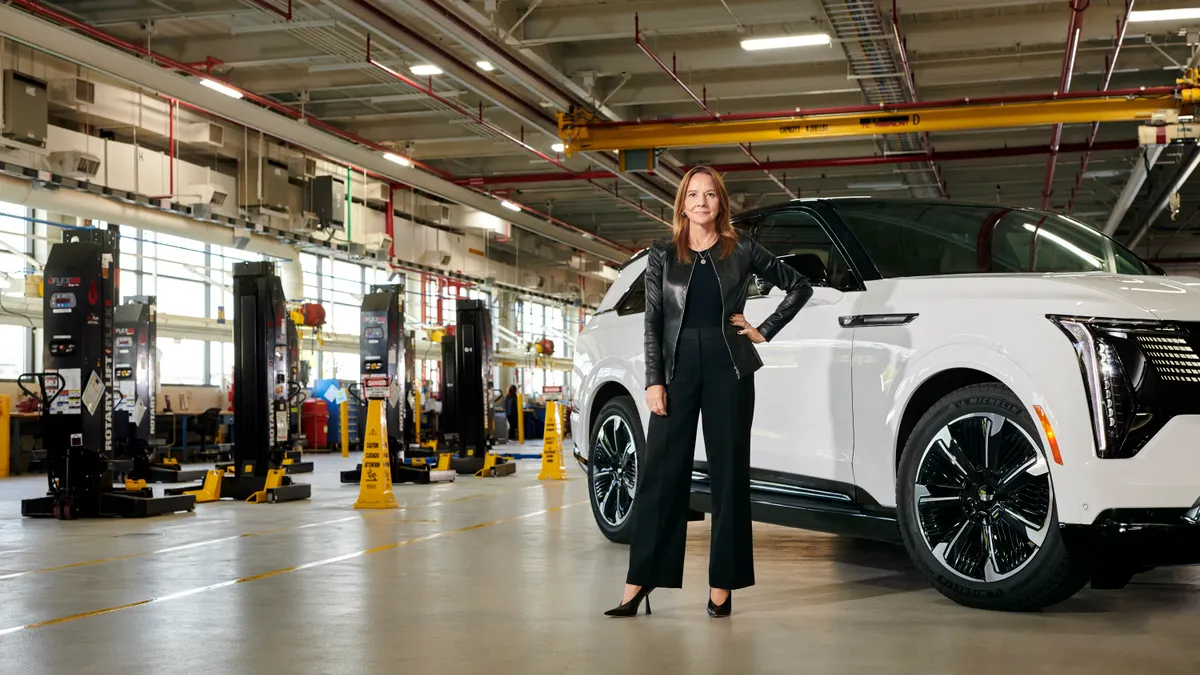
GM set out in 2015 with a plan to reestablish Cadillac as the “most prestigious luxury brand in America.” Cadillac chief John Roth tells media in a July 10 call that, with a mix of BEVs and internal-combustion-engine (ICE) vehicles gaining momentum, “this [year] is the epicenter of when the plan comes completely together as it relates to our product portfolio, the work we have done around the dealer network, our marketing and advertising and what can do to elevate the overall sales brand.”
Sales of Cadillac in the first half of 2025 in the U.S. are up 16% to 86,100, putting it on pace for 172,000 at year end as its BEV sales get traction, compared with the same period in 2024. Cadillac says H1 2025 was its best first half in more than 20 years. Roth says the brand has chalked up 12 consecutive quarterly sales gains.
Looking at annual sales, though, it’s hard to see the progress unless you zero in on the company’s contoured metrics. Cadillac sold 132,000 vehicles in the U.S. last year, versus 160,100 in 2015, the year the revitalization plan was set in motion. In 2015, Cadillac was selling five models, versus five ICE models and this year’s three BEVs, as well as the new hand-built low volume Celestiq.
Third-party measurements of progress have not been kind to Cadillac. In 2015, the brand was among premium-brand leaders in JD Power’s Initial Quality Study with 122 problems per 100 vehicles. That number in 2025 was 200 PP100, an improvement over 214 PP100 last year, but a definite decline over the last decade. The brand does better in long-term reliability, scoring 169 PP100 in Power’s Vehicle Dependability Study, which measures consumer complaints after three years of ownership, second behind Lexus among premium brands. Some deterioration of the metrics may be due to the influx of BEVs, which present a learning curve to first-time buyers.
Cadillac dealers, key to the brand’s performance, are struggling to keep up. In Power’s Sales Satisfaction Index, which measures the sales experience, in 2015, Cadillac tied for 4th place among luxury brands. In 2024, it ranked 8th among premium brands.
Roth says that he likes Cadillac’s competitive position over the next few years “because the product line is the best I have ever seen.”
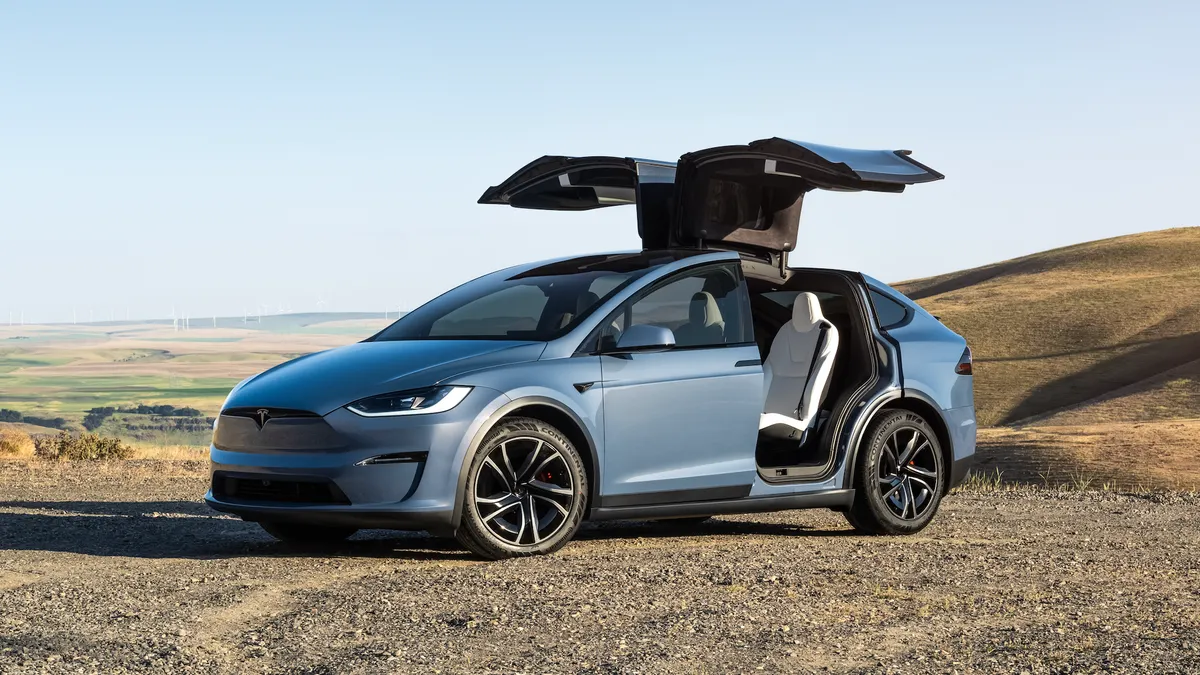
And as tariffs will have a far greater impact on the brand’s foreign rivals, perhaps driving many buyers put off by higher prices on European and Asian rivals, Cadillac could be a natural beneficiary. The sales outlook at Tesla, another rival, is in question because of boycotts and protests that have impacted Elon Musk’s company over his controversial political activity.
Roth says he is buoyed by Cadillac’s conquesting of rivals. Eighty percent of Lyriq’s sales have been at the expense of other brands, the company says, with Roth citing Tesla, Mercedes and Audi as top conquested brands. Optiq’s sales, as well as Cadillac’s overall sales, are 56% conquests so far this year.
Roth says he feels that the brand is finally resonating with younger buyers, too. “Customers for the Escalade and Escalade IQ, Cadillac’s best-selling model lineup, is about 48 years of age, compared with a luxury segment average age of about 56 years of age. Cadillac’s new BEVs are attracting more buyers under 50 than most of its ICE vehicles have too, he says.
Cadillac’s big investment in BEVs, at a time when the White House may be undercutting momentum with the coming phaseout of the federal EV tax incentive, does not worry Roth. “There are EV buyers in the marketplace, regardless of what programs are out there from a governmental standpoint, and we are bringing those customers to the brand…and I don’t see that stopping,” he says.
Even with BEV sales growth potentially slowing, with a likely additional downturn as foreign automakers will likely reduce their sales because of tariffs and the elimination of the tax credit, Cadillac is more confident than ever of hitting its goal to be the top selling BEV company in the premium/luxury segment by 2030. “We have already achieved that on a quarterly basis this year,” notes Roth.
Only one Cadillac model, the Optiq, is made in Mexico, vulnerable to tariffs along with the Equinox BEV built in the same factory. Roth offered no comment or forecast about whether those models might be built in the U.S. to avoid tariffs, but a GM source says, “it is being considered."
It’s impossible to know what Cadillac’s outlook over the next four years would be if BEV tax credits were in place, and tariffs were not. But the regulatory environment bedeviling other automakers could be great business for the GM luxury brand to maintain traction.