Some call them EREVs, others call them REEVs. It really doesn’t matter. They’re the same thing: extended-range EVs, or range-extended EVs. Either way, they could be the perfect solution for electric-vehicle adoption in the U.S. market. Or maybe not at all.
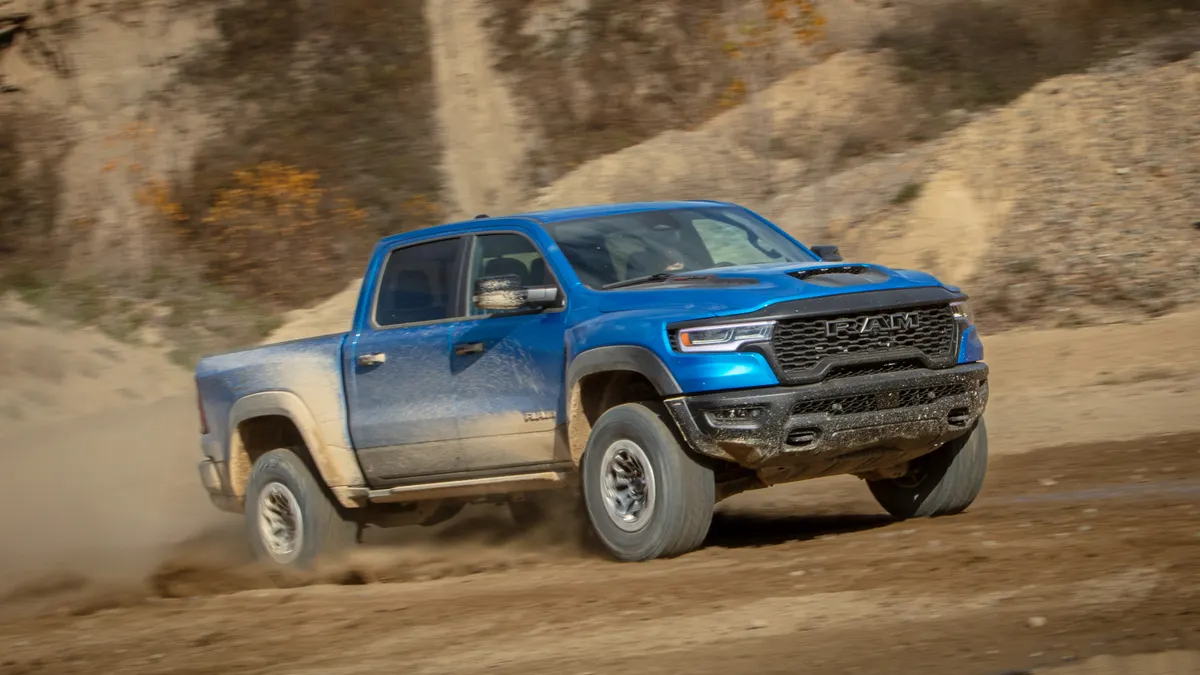
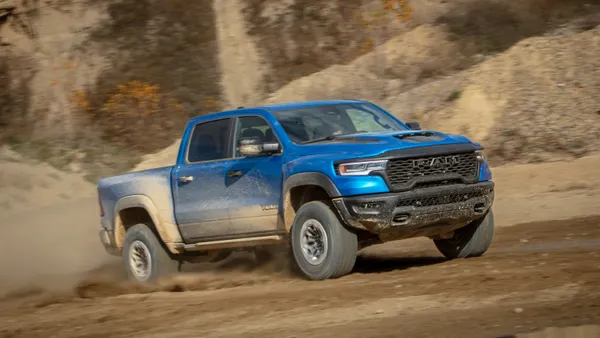
General Motors invented the EREV, or at least it reinvented it in the modern era, with the 2010 Chevrolet Volt. BMW made an EREV version of the gorgeous 2015 i8 sports car. And one of these days, Ram promises to come out with an EREV pickup truck called the Ramcharger.
All of you historians out there know that credit for the first EREV actually goes to Ferdinand Porsche, who designed the EREV Lohner-Porsche Mixte in 1901. The point is, the idea has been around a long time, it just never caught on. Until now, perhaps.
EREVs are really catching on in the Chinese market, especially in smaller cities where the charging infrastructure may not be as widespread, and in rural areas where traveling distances can be longer. Chinese consumers are buying them for the same reason so many people elsewhere are leery of buying a pure battery-electric vehicles: range and charging-time anxiety.
An EREV is just a BEV with a gasoline (or any other type of) engine on board that runs a generator – converting mechanical power from an internal-combustion engine to electrical power – to keep the batteries charged. It differs from a PHEV in that the ICE does not send power through the drivetrain to the wheels. Yes, there are some variants, where under certain driving conditions the ICE provides power to the wheels. But that’s not what the latest versions do.
The electric driving range of an EREV is typically 80-120 miles (129-193 km) on battery power alone, with the ICE providing hundreds of more miles of range. The Ramcharger pickup, for example, will offer 145 miles (233 km) of battery range, and another 545 miles (877 km) once the range extender kicks in. With a total of 690 miles (1,111 km) of range, no one ever going to complain about range anxiety in that truck.
And that’s the beauty of an EREV. You can drive on pure battery power for daily commuting and plug it in every night. Or you can drive long distances using the ICE and stop at any gasoline station to refuel in minutes.
This makes EREVs perfect for fullsize pickup trucks and SUVs that carry heavy loads or tow heavy trailers. BEV pickups and SUVs with heavy loads quickly run out of range, which is one reason why sales are so dismal. They require massive, heavy, expensive batteries. They also lose a lot of range in cold weather. EREVs don’t have these problems.
Better still, EREVs drive like BEVs. You get that great, instant torque. They’re smoother and quieter than ICE vehicles. And they offer one-pedal driving with regenerative braking that most people seem to love.
There are cost advantages over BEVs and PHEVs as well. An EREV doesn’t need a large battery. It doesn’t need a transmission. And if it’s a rear-wheel-drive vehicle, it doesn’t need a driveshaft either. So it offers mass, packaging and cost advantages.
The ICE in an EREV operates with a much simpler duty cycle. It runs in a limited rpm range and doesn’t have to rev quickly. So, it’s quieter, can be made cheaper, can operate with a high 13:1 compression ratio and can run with much higher levels of exhaust gas recirculation (EGR). All of this greatly improves its efficiency.
BYD and Geely have EREV engines rated at 46%-47% thermodynamic efficiency, the highest of any production engines in the world. Keep in mind that most ICEs are rated at 30%-35% efficiency. And even Formula One engines, which cost $10 million apiece and use every tech trick in the book, are barely better at 50% efficiency.
Put it all together, and EREVs would seem to be the perfect solution for the U.S. consumer: an EV driving experience with no range or charging time anxiety and a technology perfectly suited for big pickups and SUVs, which are, of course, the heart of the American market.
But the question is, will people buy them? For an ICE-loving pickup or SUV owner, what’s the compelling reason to buy an EREV version instead? That’s going to take some educating, and as anyone in marketing knows, if you have to explain what the product is or how it works, you’ve already lost the battle.
One thing’s for sure: pricing will be critical. If an EREV costs a lot more than an ICE counterpart, it’ll be dead on arrival. If the cost is a slight premium, it will attract some customers. But if it’s the cost is about the same, it has a real shot of going mainstream.
Another important part of the marketing effort will be putting butts in seats. Once the ICE diehards get a taste of that instant electric-motor torque, especially when towing or hauling, they won’t want to go back to piston power. Once they learn that charging at home is a lot cheaper than filling up at the gas station, they’ll love the cost benefit. And if bidirectional charging is part of the package, they’ll brag to their friends about how they kept the power on at home during that big storm when the electricity went out in the rest of the neighborhood.
Automakers in the U.S. have invested tens of billions of dollars in BEV technology. Today, with an Administration intent on gutting any federal support for electrics, most of that investment is stranded and will be a drag on earnings for years to come. EREVs, which use the same battery, motor and inverter technology that BEVs do, can take that investment and make it productive again.
Of course, none of this will happen unless automakers come out with sensational EREVs that compel customers to run to the showrooms to buy them. But at the end of the day, that’s what this auto industry is all about, isn’t it?