Automakers are using artificial intelligence to identify consumer trends and desires, as they seek the sweet spot between sustainability, new technology and consumer acceptance.
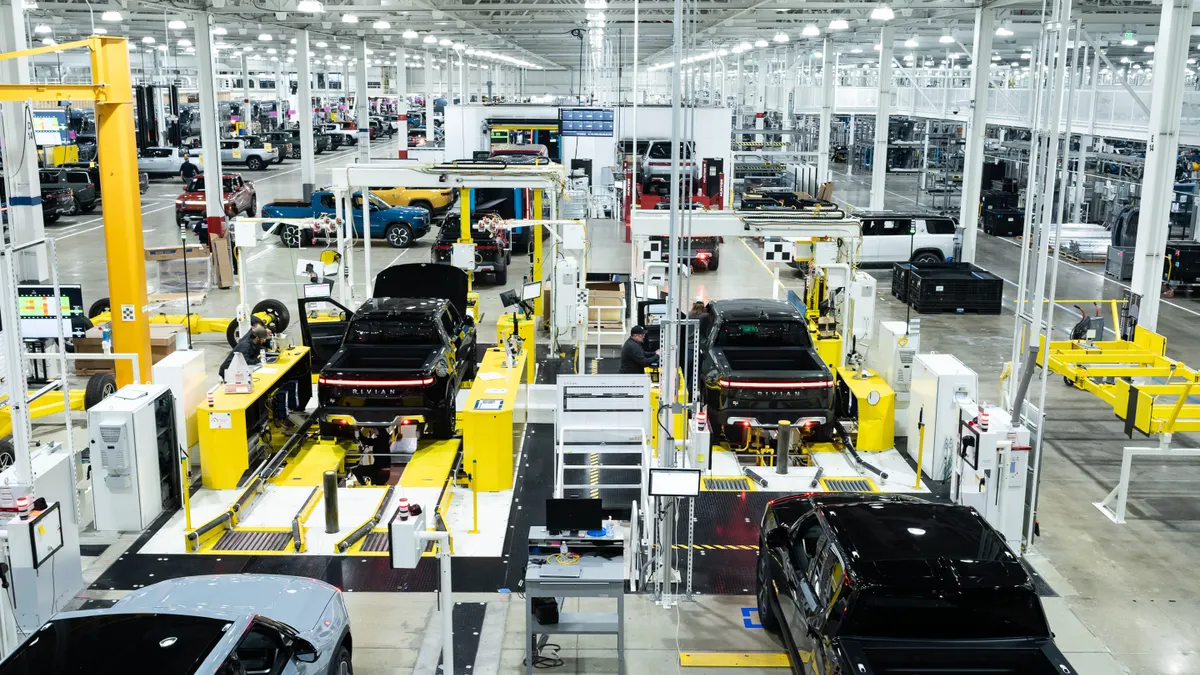
A forecast released by New York-based industrial-sourcing platform and marketing company Thomas concludes manufacturers also are increasingly using AI to aid design, streamline workflows and maximize efficiency.
“Three out of 10 auto manufacturers we surveyed said AI integration is the innovation they are most optimistic about in 2025,” says the report, which is based on responses from 367 industry executives in late-2024.
German automotive companies, for example, have been collecting mass data to build and train sophisticated AI models to better identify buyer demand. A BMW spokesperson tells WardsAuto the automaker has mobilized data from more than 23 million BMW vehicles worldwide through its BMW ConnectedDrive platform, using AI tools “to cluster the data and derive insights for product improvements for customers.”
That effort allows BMW to identify quality issues and release updates to improve performance, as well as make enhancements to future products in development, he says.
Examples include “improvements (made in the) menu structures in our infotainment operating systems, which were based on such analyses and shipped to customers over-the-air via our remote software upgrades,” the BMW spokesperson adds.
Similarly, Audi says it is using AI to become a more data-driven company, helping it develop new automotive services, optimize processes and boost quality.
Audi’s sales and marketing division relied on AI to improve the “myAudi” app that offers remote real-time information about fuel level, vehicle location and more, a spokesperson says. The automaker also is piloting work on how AI can aid in the design of vehicles to boost consumer appea.
“We also see promising use cases in the area of analyzing customer needs, which we are currently reviewing and evaluating internally,” the spokesperson tells WardsAuto.
Florian Langer, partner and head of digital sales and customer experience at MHP, a management and IT consultancy owned by Porsche, says AI-supported analysis, such as MHP’s Customer Experience Index, enables faster and more-precise evaluation of customer feedback. Another use case can be seen in selling limited special-edition models that are only made available to select customers.
“Here, AI enables precise segmentation by analyzing extensive data and dividing buyers into different categories based on their future sales potential,” Langer says. “This allows a data-based decision to be made to determine which prospects will receive an invitation (to buy a limited-edition model).”
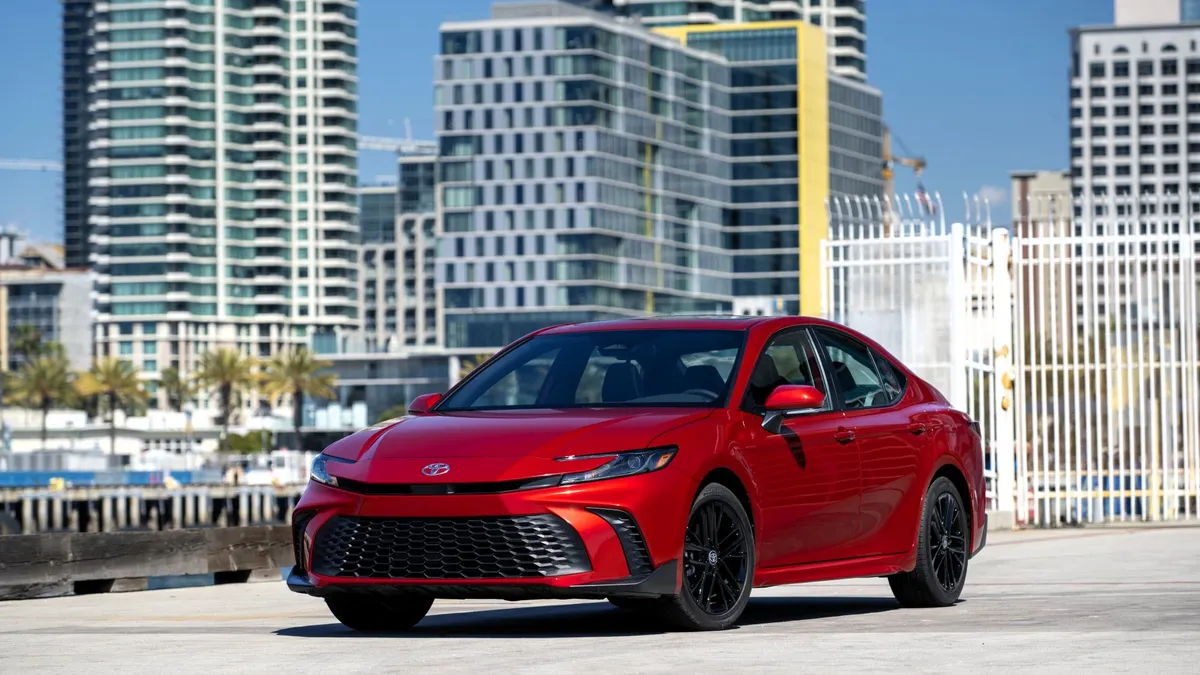
Japanese automaker Toyota also is using AI tools to “collect and analyze data from customer interactions,” providing “valuable insights into customer needs, behavior and satisfaction levels (that) can guide business decisions, enhance product offerings and refine marketing strategies more effectively,” San Francisco-based e-learning company DigitalDefynd says in a case study it published in November.
“AI systems can access a customer’s history and preferences to provide personalized service recommendations and advice,” the training company says, improving customer experience and raising the potential for the upselling of services and products.
Toyota’s investment in “automating routine customer-service tasks with AI reduces the labor costs associated with staffing customer service centers (that) can accumulate significantly over time,” the DigitalDefynd case study says.
Chairman Akio Toyoda said in January that Toyota’s new Japan-based tech campus, Woven City, would use AI to aid remote interaction with its projects. The automaker will develop its “Vision AI” system at the campus, enabling it to refine operating systems by combining “video data analysis with artificial intelligence to better understand the movement behavior of people and objects.”
Manuel Schuler, global leader of automotive and industrial manufacturing at the Dutch business consultant firm BearingPoint, tells WardsAuto that “for automakers, the key principle in working with AI is ensuring high-quality data (that is) the foundation for any successful AI-driven application.”
Companies can achieve faster and more reliable results by combining old-school expert research with AI-driven insight, he says. “Striking the right balance between exploring creative AI use cases and scaling proven applications is crucial to long-term success.”
Schuler stresses how AI helps automate routine tasks, allowing “employees to focus on creative ideas and strategic decision-making.”
The value of AI-driven predictive data is potentially high for dealers, as well, which could use the input to better balance inventory and mitigate pricing risks, says New Hampshire-based Lotlinx, a vehicle-identification-number-based data-solutions company offering inventory risk management. But many are struggling to adopt the technology.
A Lotlinx report released in January, based on a survey targeting 2,500 dealers, reveals 78% remain unsure about how to effectively use predictive data, with only 5% of dealers utilizing AI and data for predictive maintenance in their service departments or for inventory management and pricing optimization.
“This underutilization highlights a missed opportunity for dealerships to enhance their service offerings and improve financial performance,” Lotlinx concludes.